

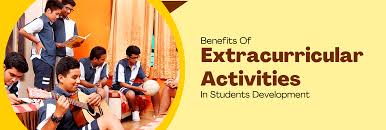
In a school world increasingly dominated by examination performance and academic outcomes, the case for a rich co-curricular life needs to be made clearly and forcefully. The benefits of extracurricular activities extend into every dimension of a young person’s development, and the research supports them robustly.
Identity and Belonging
Extracurricular activities give children a source of identity beyond their academic performance. For many young people, the school orchestra, the football team, the drama club, or the debating society is the place where they feel most genuinely themselves. This sense of belonging to a group with a shared passion is enormously important for psychological wellbeing during the complex social navigation of adolescence.
It also provides a form of social scaffolding that can be particularly valuable for children who struggle to form friendships in the more open-ended social environments of the classroom and playground. Shared activity is one of the most reliable contexts for forming genuine connection.
Skills and Character
The skills developed through extracurricular participation are genuinely significant. Teamwork, leadership, commitment, time management, dealing with pressure, managing both success and disappointment — these qualities are not developed through academic study alone. They require the specific conditions of being part of a team, working towards a performance, or competing within a set of rules.
Universities and employers increasingly understand this. Personal statements and interviews that can draw on specific extracurricular experiences and articulate what was learnt from them are consistently more compelling than those that focus exclusively on academic achievement.
Keeping It Balanced
The caveat to the extracurricular argument is balance. Children who are scheduled from morning to night with activities, leaving no time for unstructured play, genuine rest, or family time, can experience extracurricular overload. The goal is a rich life, not a maximally packed one. Children who have space to be bored, to initiate their own activities, and to simply be, develop qualities that over-scheduled children sometimes lack.
Royal Grammar School Guildford offers an outstanding range of extracurricular activities as part of a balanced, ambitious school experience. Visit https://www.rgsg.co.uk/ to find out more.